


A comprehensive guide to custom plastic injection moulding services
Custom plastic injection moulding is an advanced manufacturing process used to create precision-engineered plastic components that meet exact specifications. It offers exceptional flexibility in design, material choice and functionality, allowing manufacturers to produce durable, high-performance parts for a wide range of industries.
Used in several sectors – including automotive, medical and industrial applications – custom moulding delivers tailored solutions that improve efficiency, reliability and product quality.
What custom plastic injection moulding entails
Unlike standard moulding, which uses pre-existing moulds and generalised designs, custom plastic injection moulding focuses on creating unique parts tailored to the customer’s performance, size and functionality requirements.
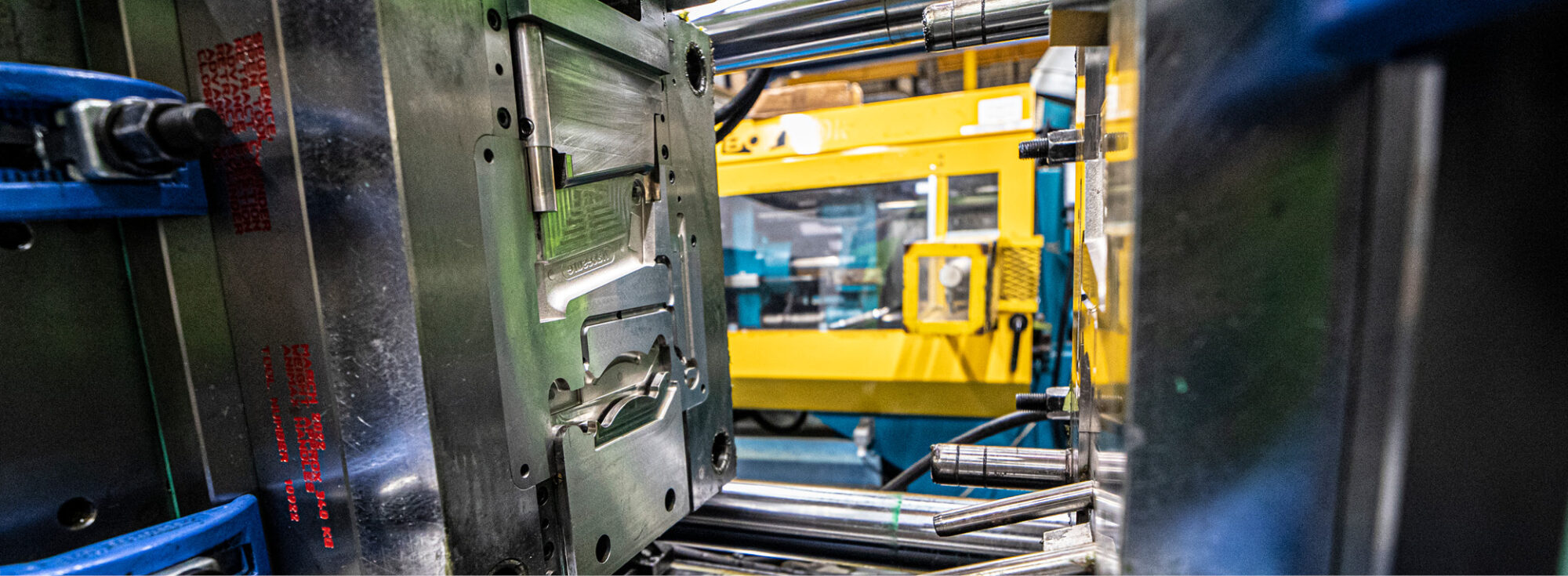
At its core, custom plastic injection moulding involves melting thermoplastic polymers and injecting the molten material into a precisely engineered mould cavity. Once cooled, the plastic solidifies to form a durable, dimensionally accurate component ready for use. Every stage of the process – from concept design to final production – is tightly controlled to achieve consistent results and high-quality parts.
This manufacturing method supports a wide range of materials including ABS, polypropylene, polycarbonate, nylon and engineered resins, offering flexibility for different environments and performance demands. The ability to choose the most suitable polymer is one of the key advantages of custom moulding, as it allows engineers to balance factors like strength, chemical resistance and heat stability.
The process typically begins with design consultation and computer-aided design (CAD) modelling. This ensures the component not only meets functional requirements but also aligns with manufacturing efficiency and cost-effectiveness. Prototypes are often produced through rapid tooling or 3D printing to validate fit and performance before full-scale production. Once approved, the mould tool is machined – usually from hardened steel or aluminium – to precise tolerances.
During production, injection moulding machines use controlled pressure and temperature to produce each part identically. Advanced monitoring systems track variables such as fill rate, pressure and cooling time to maintain consistency and minimise defects. This attention to detail makes custom plastic injection moulding particularly suited to high-volume production runs where precision and repeatability are critical.
Beyond manufacturing, many providers also offer value-added services such as assembly, overmoulding, pad printing, ultrasonic welding and packaging. These additions streamline production workflows and reduce the need for multiple suppliers, helping customers achieve faster turnaround times and cost savings.
Custom plastic injection moulding is about creating parts, but it’s also about creating solutions. Whether the goal is to improve functionality, reduce weight, enhance aesthetics or increase durability, this approach delivers components that perform precisely as intended, even in the most demanding environments.
Comparison with standard moulding services
While both standard and custom plastic injection moulding rely on the same core manufacturing process, the difference lies in the level of personalisation, quality control and end-use focus. Standard moulding services are often ideal for producing generic components or items that do not require unique geometries. They use pre-made moulds that can be adapted for multiple applications, offering a quicker and cheaper route to production when customisation is not essential.
In contrast, custom plastic injection moulding delivers an entirely tailored solution. Each mould is designed from scratch to meet specific design, functional or performance requirements. This not only enables greater precision and complexity but also enhances the product’s long-term performance and compatibility with its intended application.
Here are some of the key distinctions:
Design flexibility
Custom moulding gives engineers full control over the shape, material, finish and tolerances of each part. Complex features such as undercuts, threads or inserts can be built into the mould design, reducing the need for secondary operations. Standard moulding typically offers fewer options for geometric variation.
Tooling investment
Custom moulding requires an upfront investment in tooling, as the moulds are unique to the project. However, this cost is offset by greater efficiency and product performance over the lifetime of the tool. Standard moulding uses existing tools, lowering initial costs but limiting design freedom.
Material selection
With custom moulding, the material is chosen based on the product’s end-use – whether it needs to withstand high temperatures, UV exposure or impact stress. Standard moulding tends to rely on common, general-purpose plastics, which may not meet demanding specifications.
Quality and repeatability
Custom moulding providers often use advanced process monitoring and quality assurance systems to guarantee consistent results. Dimensional accuracy and repeatability are closely controlled from batch to batch. Standard moulding may not offer the same level of precision, particularly for parts requiring tight tolerances.
Production efficiency
Once the tooling and design are finalised, custom moulding can achieve remarkable production speeds. Because the process is optimised for the specific component, cycle times are minimised, waste is reduced and material usage is efficient. Standard moulding may be quicker to start but can lead to compromises in fit or function that slow down assembly or increase maintenance costs later on.
Aesthetics and branding
Custom moulding allows for specific finishes, textures, and colour matching, giving products a distinct visual identity. This is especially valuable for consumer-facing items where branding and design appeal are important.
Ultimately, the choice between standard and custom injection moulding depends on the product’s complexity, required lifespan, and performance standards. For businesses developing high-precision or branded components – from medical devices to industrial housings – custom plastic injection moulding is often the most effective and economical long-term solution.

Industries that benefit from custom solutions
The adaptability and precision of custom plastic injection moulding make it suitable for a vast range of industries. Any sector that demands accuracy, durability or design flexibility can benefit from the tailored approach that custom moulding provides.
Automotive
In the automotive industry, weight reduction and material performance are vital. Custom moulded parts are used for dashboards, bumpers, housings, and connectors, each designed to fit perfectly within complex assemblies. Materials are selected to withstand high temperatures, chemical exposure, and mechanical stress, ensuring reliability and longevity.
Medical and healthcare
Precision and cleanliness are essential in medical manufacturing. Custom injection moulding supports the production of sterile, biocompatible components such as syringes, inhalers, diagnostic devices, and housings for laboratory equipment. Moulding in cleanroom environments ensures compliance with stringent quality standards and regulatory requirements.
Consumer products
For consumer goods, visual appeal and tactile quality are just as important as function. Custom moulding allows manufacturers to produce attractive, ergonomic designs for items like appliance housings, electronic enclosures, and packaging components. Colour consistency, surface texture, and branding elements can all be incorporated directly into the moulded part.
Electronics and electrical engineering
Custom plastic injection moulding is widely used to produce connectors, insulators, switch housings, and protective casings. Materials are chosen for electrical resistance, dimensional stability, and flame retardancy. With precision moulding, complex internal geometries can be achieved without compromising part strength.
Aerospace and defence
In these sectors, lightweight yet high-performance components are critical. Custom moulding allows manufacturers to produce parts with exceptional strength-to-weight ratios while meeting tight tolerance requirements. Materials such as high-performance polyetherimide (PEI) or PEEK are commonly used to ensure resistance to heat and stress.
Industrial and engineering applications
Machinery, tools, and structural components often rely on custom-moulded parts for specific functions. Whether it’s a housing for a control system, a precision gear, or a fluid-handling component, moulding ensures reliability and uniformity across large production volumes.
Renewable energy and environmental technology
The renewable sector increasingly depends on durable plastic parts for solar panels, wind turbine systems, and water treatment solutions. Custom moulding allows manufacturers to optimise components for weather resistance and long-term performance in harsh outdoor conditions.
Packaging and logistics
Custom moulded packaging solutions can be engineered to protect products during transport, reduce material waste, and enhance visual appeal. This includes everything from bespoke trays and containers to reusable transport components.
Across all these industries, custom plastic injection moulding offers the same core benefits — precision, consistency, cost efficiency, and design freedom. Whether producing thousands or millions of identical parts, it ensures each component performs exactly as intended.

If you are developing a new product, improving an existing design, or looking for a more efficient manufacturing partner, custom plastic injection moulding can provide the performance, quality, and reliability your project demands.
PMP offers a complete service – from concept design and prototyping through to tooling, production and finishing. Our expert engineers work closely with you to understand your objectives and recommend the best materials and processes for your application. Every project benefits from advanced quality control, flexible production schedules, and a commitment to precision at every stage.
Whether you need a small batch of technical components or large-scale production, our custom plastic injection moulding services deliver consistent, high-quality results tailored to your exact specifications.
Contact us today to discuss your requirements or request a quote to find out how our expertise can bring your next project to life with accuracy, efficiency and dependability.
You can also follow us on LinkedIn for the latest updates.
